If you're using Grok, the AI chat assistant by xAI integrated within X (formerly Twitter), and want to ensure your data is fully and legally erased, you’ve come to the right place. Understanding where and how your data is stored across multiple surfaces, and the timelines involved, is critical for a successful, compliant deletion experience.
In this post, I’ll break down exactly how Grok’s data deletion works, what you need to do to get a xai privacy portal legally verified erasure, and why you must export your data before wiping it. Whether you use Grok on grok.com, the app interface, or within X, I’ll walk you through the entire process with plain language and no fluff.
Where Is Your Grok Data Stored?
Before deleting anything, it’s essential to understand where your Grok data resides. The deletion process differs by surface, and each area has its own storage and purge mechanisms:
- Grok Web & App Chats: Conversations you have with Grok on grok.com/app or the dedicated app are stored on xAI’s servers under your Grok account. X (x.com) Messages & Data: If you interact with Grok within the X platform (x.com), those chats and interactions are stored within your X account data ecosystem, subject to X's data policies. Files and Generated Media: Any files you upload or media (images, videos, documents) generated or used in your Grok conversations are stored separately from the chat logs, potentially on content delivery servers or cloud storage linked to your account.
Did it save? Take a moment to note where you used Grok to make sure you cover all bases.
Why Does Deletion Differ by Surface?
xAI’s Grok and X are technically two interconnected but distinct data environments. For compliance and operational reasons, each one manages data deletion separately:
- Chats on grok.com/app are managed by the Grok privacy and data retention frameworks under xAI’s domain. Chats and data generated in the x.com environment follow Twitter/X’s own data policies and deletion queues.
This means if you use Grok on both surfaces, you need to submit deletion requests separately for each to ensure full data removal — it’s a key reminder: If you used both surfaces, do both.
The 30-Day Recently Deleted Window: What You Must Know
One of the most common misconceptions I’ve handled in support tickets is the false expectation that deleting data is immediate. Neither Grok nor X offers instant purging from their servers due to legal and operational constraints. Here’s what actually happens:
- Deletion Starts a 30-Day Retention Period: When you delete your chats or other data, it moves to a “Recently Deleted” space, where it remains for roughly 30 days before full purge. GDPR Compliance Timeline: Under GDPR (European Union laws), data controllers like xAI and X roughly use a 30-day window to finalize erasure requests as part of compliance procedures. CCPA’s 45-Day Maximum: California’s Consumer Privacy Act (CCPA) allows up to 45 days for complete data erasure, depending on the complexity of the request.
During this retention window, your data isn’t generally visible or accessible in regular interfaces, but it is still stored securely in the backend. This retention period safeguards against accidental deletion but is a critical reason why your “deleted” Click for source chats may still appear during that month.
Quick check: Did you confirm if your deletion request has moved your data into the “Recently Deleted” phase? This is the legal grace period before actual erasure.
Chat Data vs. Files & Generated Media: Two Separate Realms
A huge point I want to emphasize is that chats and media/files are *not* deleted via the same workflow. Many users delete chat logs but forget to address their uploaded or generated files separately. Here’s why that matters:
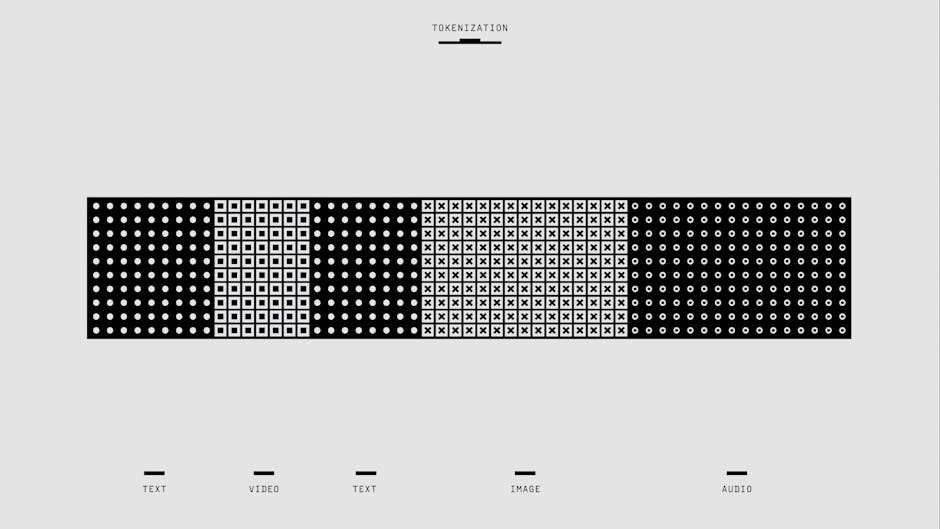
Data Type Storage Location Deletion Process Chat Text & Conversation History xAI servers (Grok) or X servers (within x.com) Delete via Grok.com/app or X privacy portal; triggers 30-day retention Uploaded Files & Attachments Cloud storage linked to your account Must be deleted separately via files management interface if available Generated Media (images, videos, audio) Separate media hosting or cloud CDN Requires specific purge request or UI controls where applicableDeleting your chat history won’t automatically wipe your uploads or generated content. To get a truly **legally verified erasure**, you need to check each data category and erase it separately.
Pro Tip: Export your files and media before deletion in case you want to keep copies.
Quick check: Did you verify you deleted both chat and files/media? If you used both surfaces, don't skip either!
Exporting Your Data Before Deleting: Why It’s Crucial
Before you start deleting your data, always export it first if you want a backup or proof of what existed. Both xAI and X offer comprehensive export options:
- JSON and PDF formats: Grok allows exporting your chat history into easy-to-store JSON or PDF documents right from the chat interface. X Archive: X provides an archive download that includes all your account data — including posts, messages, and media — in a portable format.
This step is essential because once your data passes the deletion retention window and is purged, there’s no recovery. Exporting before wiping saves you headaches and lets you keep track of what was deleted and when.
Quick reminder: Did you export your chats and media before initiating deletion? It’s the last chance to keep your data.
How to Request Legally Verified Erasure from xAI and X
To comply with data privacy laws like GDPR and CCPA and obtain a legally verified erasure certificate, follow these steps methodically:
Determine Your Data Locations: Identify if you used Grok on grok.com/app, X (x.com), or both. Remember: If you used both surfaces, do both. Export Your Data: Download your chat histories as JSON or PDF from Grok’s interface and request your X archive from X’s privacy portal. Submit Deletion Requests Separately:- On grok.com/app: Use the account settings > privacy portal xAI to request chat and file deletion. On x.com: Use X’s privacy settings or data controls to erase chat data and uploaded media.
Follow this checklist carefully to avoid partial deletion or data lurking in forgotten corners.
Common Pitfalls and How to Avoid Them
- Vague Instruction Clarity: Avoid generic instructions like “go to settings somewhere.” Use direct navigation: Grok.com/app → Settings → Privacy portal xAI, or x.com → Settings → Privacy Center. Assuming Instant Deletion: Don’t expect immediate removal. The 30-day 'Recently Deleted' grace period is enforced globally. Ignoring Media & Uploads: Don’t delete chats and assume it deletes media/files. Always do a separate cleanup. Skipping Exports: Without a data backup/export, you lose all access forever post-deletion.
Summary Table: Deletion Timeline & Data Types for Grok and X
Data Type Surface Retention Period Export Available? Separate from Chats? Chat History Grok.com/app ~30 days (Recently Deleted) Yes (JSON & PDF) No Chat History X (x.com) ~30 days (Recently Deleted) Yes (X Archive) No Uploaded Files Grok.com/app & X ~30 days Varies Yes Generated Media Grok.com/app & X ~30 days Varies YesFinal Thoughts
When it comes to a legally verified erasure for Grok, the key is understanding the multi-layered storage of your data and carefully navigating each deletion surface—Grok’s own domain and X’s integration. Always remember the 30-day retention timeline, export your data beforehand, and treat chat deletion and media/file purges separately. If you’re exercising your GDPR or CCPA rights, patience and thoroughness are your best tools.
Need help beyond these instructions? Reach out directly via the privacy portal xAI or X support channels for official assistance and confirmation.

By following these steps precisely, you’ll have confidence in a fully compliant, legally sound erasure of your Grok data—no guesswork, no surprises.